A selection of some of the most notable species of La Tortuga and its cays, among the many recorded on the island. Every entry rests on a scientific study or a verified record from the island.
The illustrations are original artwork made for islalatortuga.com from reference photographs. The IUCN Red List category is the global one, checked on 20 October 2026.
Reptiles
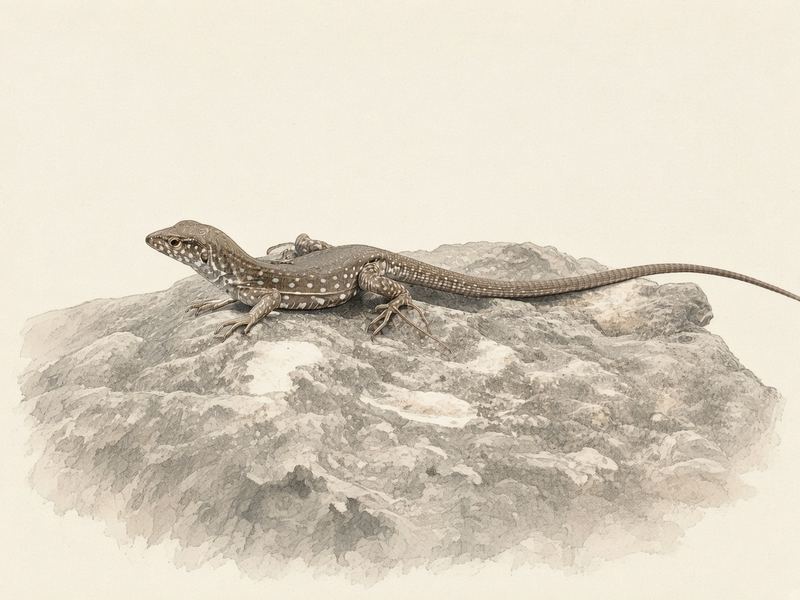
La Tortuga whiptail
Lagartija de La Tortuga · Cnemidophorus rostralis
A lizard with a very long tail, described by science only in 2010. It has been recorded at several points on the island, on limestone and sand.
IUCN: Near Threatened (NT)
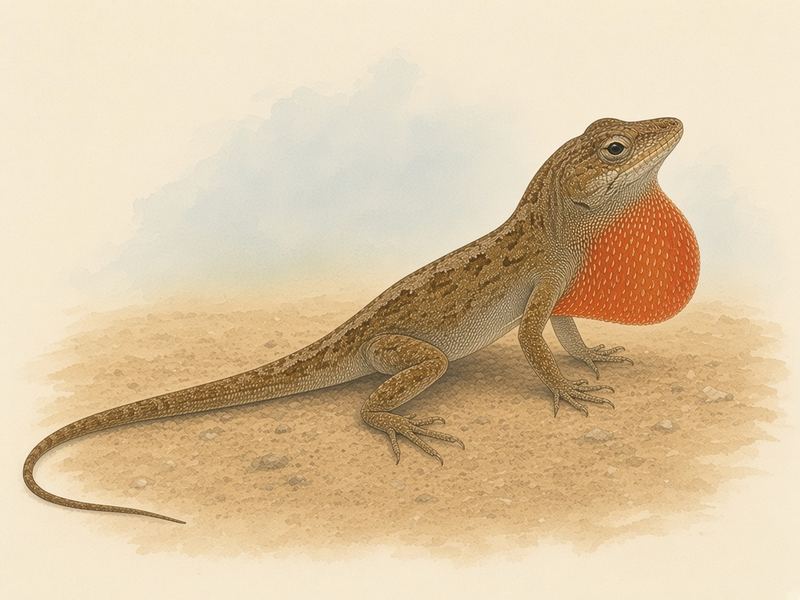
Bulky anole
Anolis de La Tortuga · Anolis onca
The most often recorded reptile on the island. Males flash a large orange dewlap.
IUCN: Least Concern (LC)
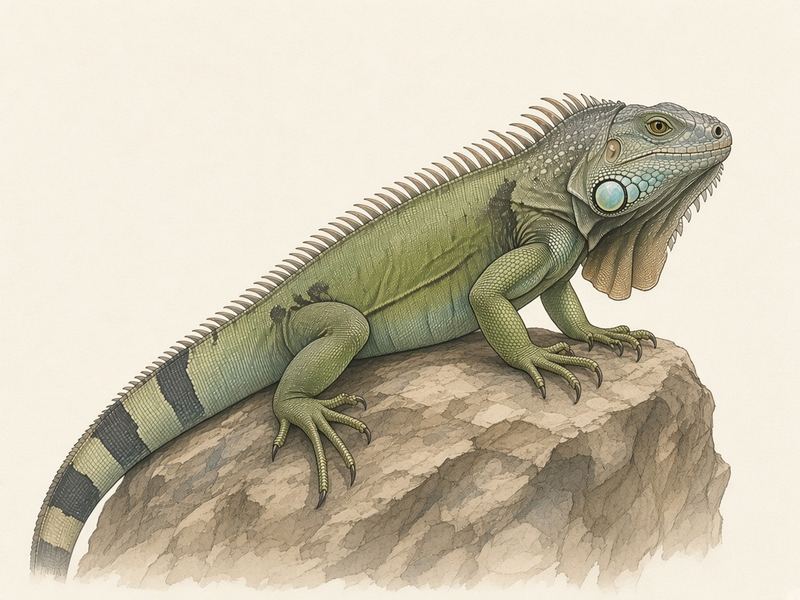
Green iguana
Iguana verde · Iguana iguana
Recorded at Punta Ranchos and elsewhere on the island.
IUCN: Least Concern (LC)
Sea turtles
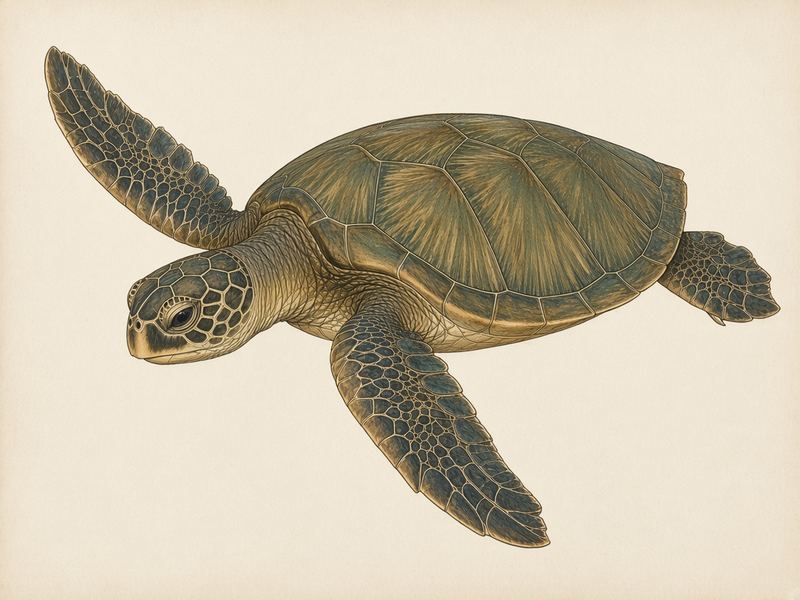
Green turtle
Tortuga verde · Chelonia mydas
The sea turtle seen most often around the island. It grazes the turtle-grass meadows.
IUCN: Least Concern (LC)
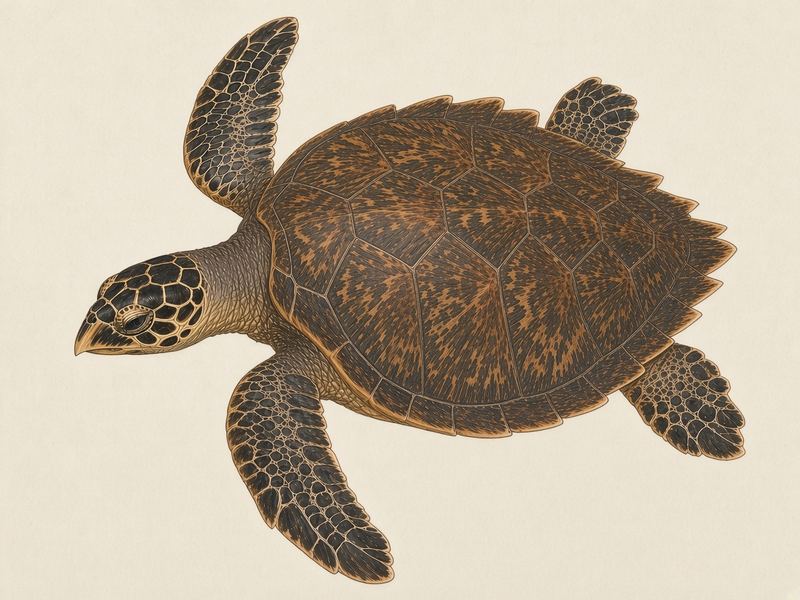
Hawksbill turtle
Tortuga carey · Eretmochelys imbricata
Recorded on the island’s reefs. Its narrow, hooked beak is made for eating sponges.
IUCN: Critically Endangered (CR)
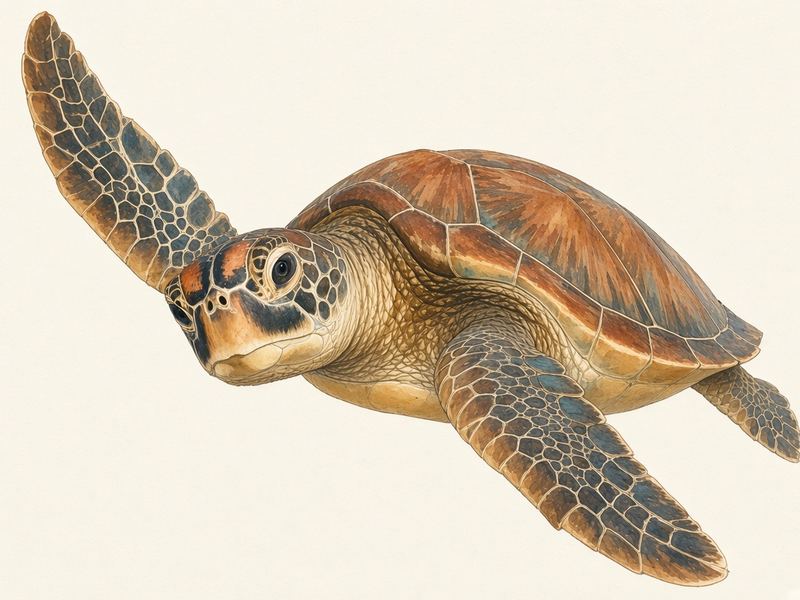
Loggerhead turtle
Tortuga caguama · Caretta caretta
Known by its huge head. It was recorded in the island’s waters in 2007.
IUCN: Vulnerable (VU)
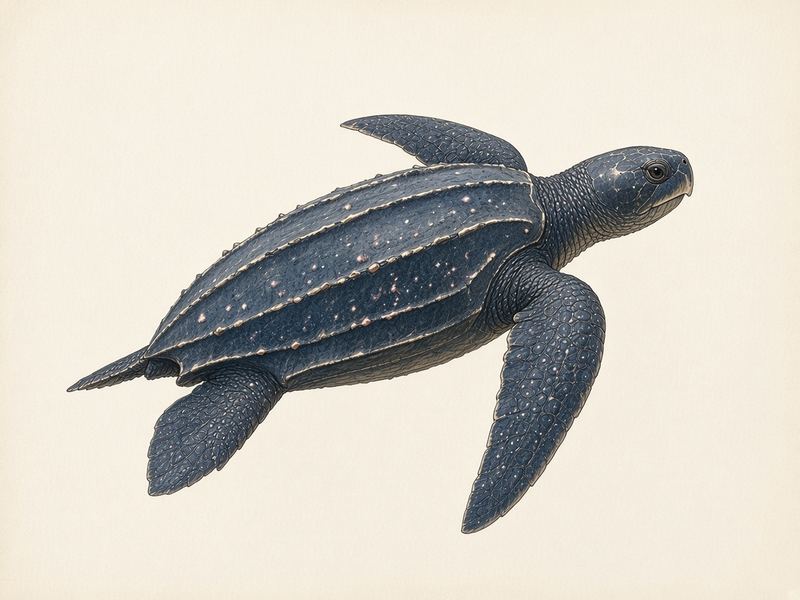
Leatherback turtle
Tortuga cardón · Dermochelys coriacea
The largest living turtle, with leathery skin instead of scutes. It was seen offshore, south-east of the island, in 2009.
IUCN: Vulnerable (VU)
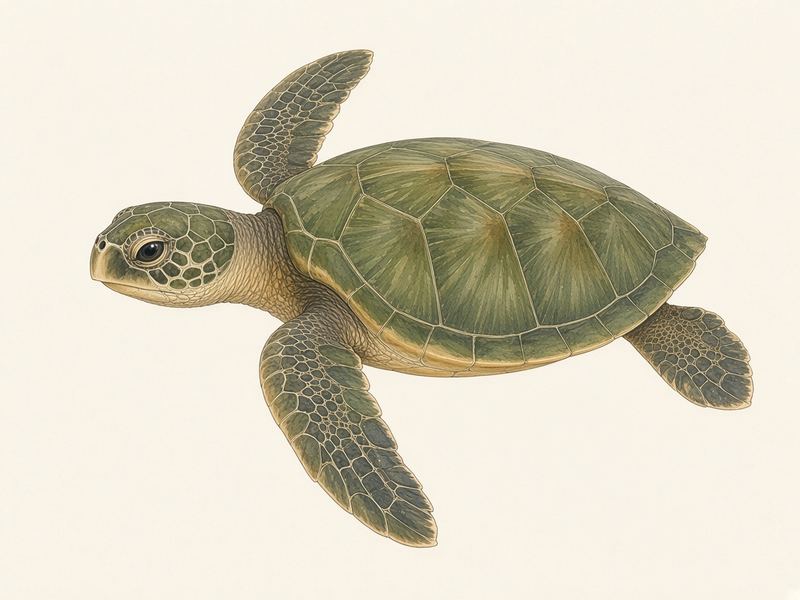
Olive ridley turtle
Tortuga maní · Lepidochelys olivacea
One of Venezuela’s five sea turtles. According to Fundación Tierra Viva it uses the island’s waters; other sources do not confirm that it nests here.
IUCN: Vulnerable (VU)
Seabirds and shorebirds
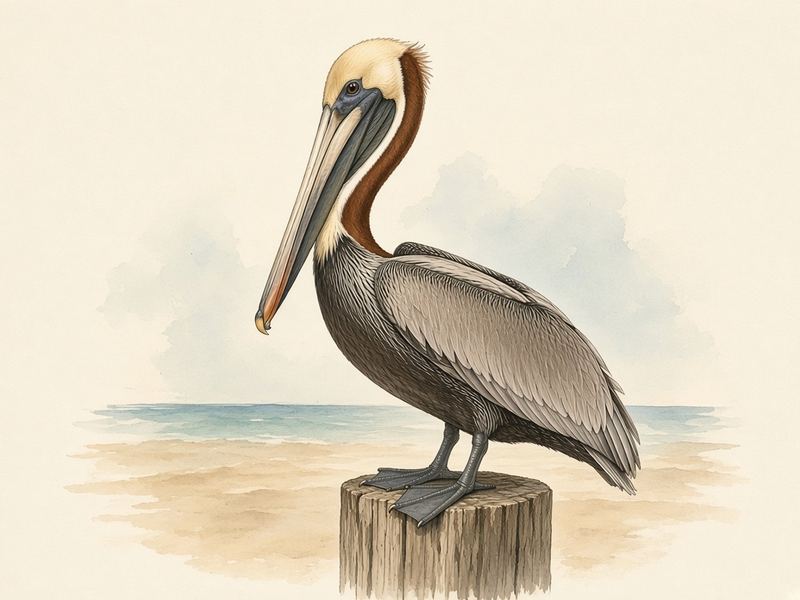
Brown pelican
Alcatraz · Pelecanus occidentalis
It nests on the island from June to October, a different season from the mainland colonies. It is also seen at Los Palanquines.
IUCN: Least Concern (LC)
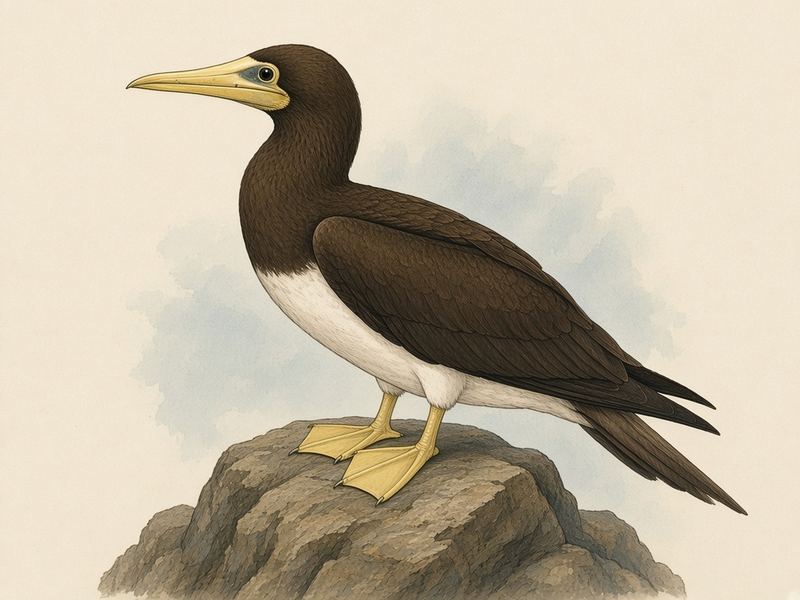
Brown booby
Boba marrón · Sula leucogaster
In 2009 counts on the island found between 744 and 1,008 birds a month, juveniles among them.
IUCN: Least Concern (LC)
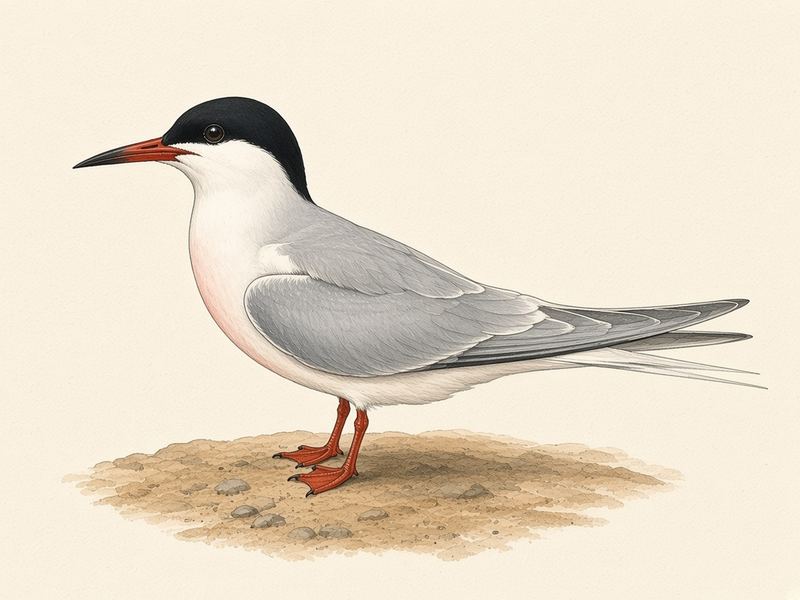
Roseate tern
Gaviota rosada · Sterna dougallii
Its nesting on La Tortuga was first recorded in 2008.
IUCN: Least Concern (LC)
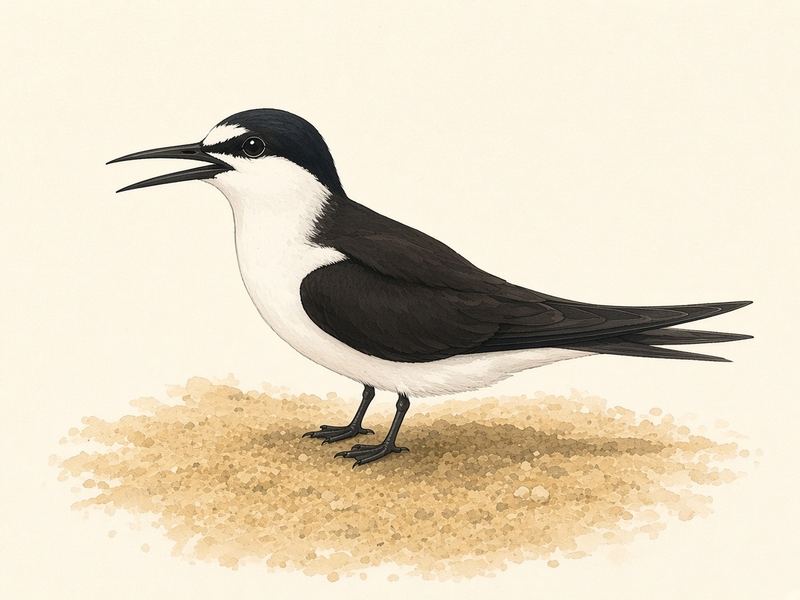
Sooty tern
Gaviota de veras · Onychoprion fuscatus
Another tern whose nesting on the island was first documented in 2008.
IUCN: Least Concern (LC)
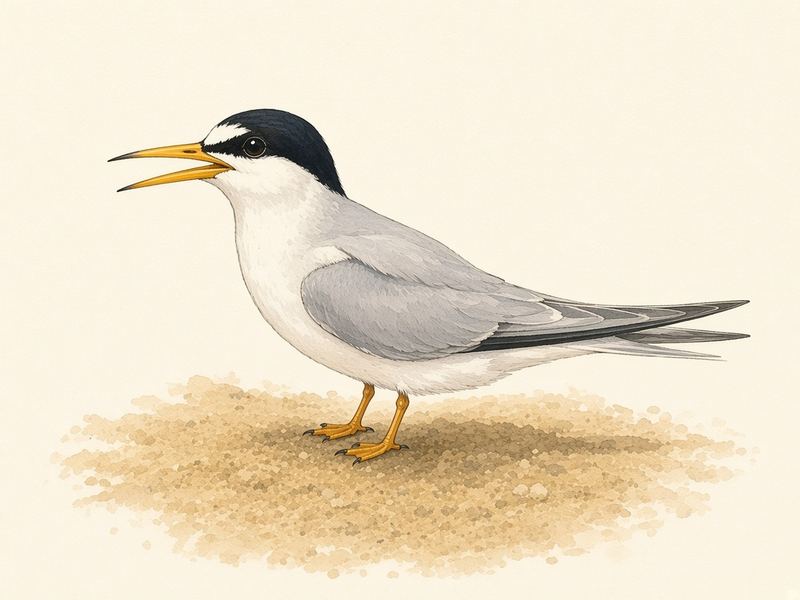
Least tern
Gaviota filico · Sternula antillarum
The smallest of the terns that nest on the island and its cays.
IUCN: Least Concern (LC)
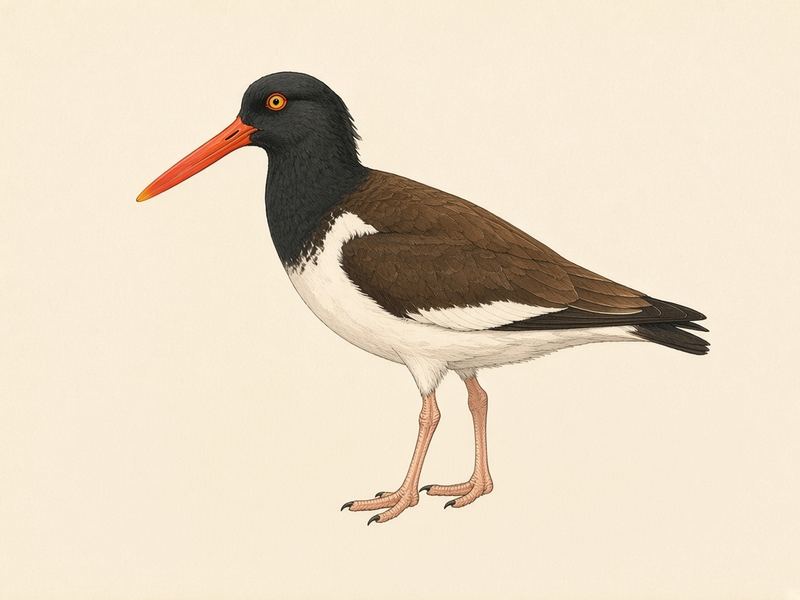
American oystercatcher
Caracolero · Haematopus palliatus
Cayo Tortuguillo Este gave the first record of it nesting on any Venezuelan island.
IUCN: Least Concern (LC)
Marine and coastal life
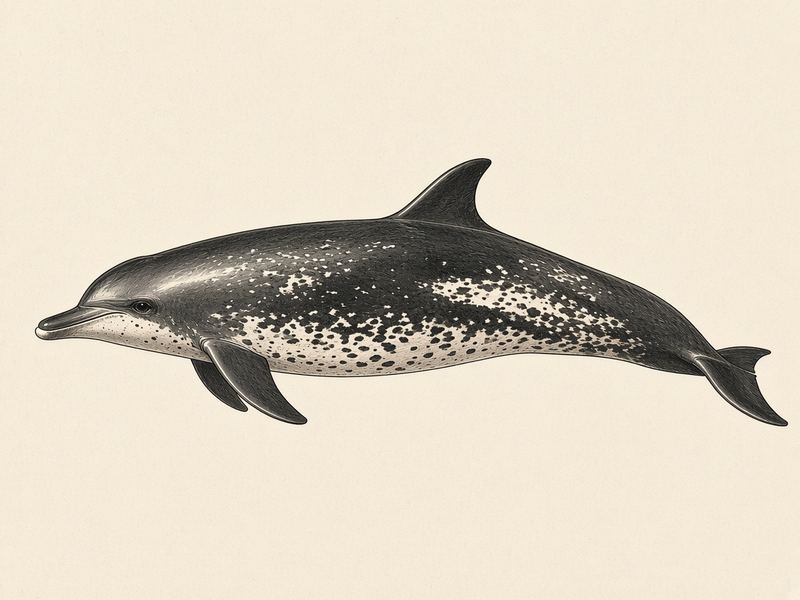
Atlantic spotted dolphin
Delfín moteado del Atlántico · Stenella frontalis
Venezuela’s cetacean catalogue records it in the island’s waters, and a 2019 photograph confirms it. Its spots increase with age.
IUCN: Least Concern (LC)
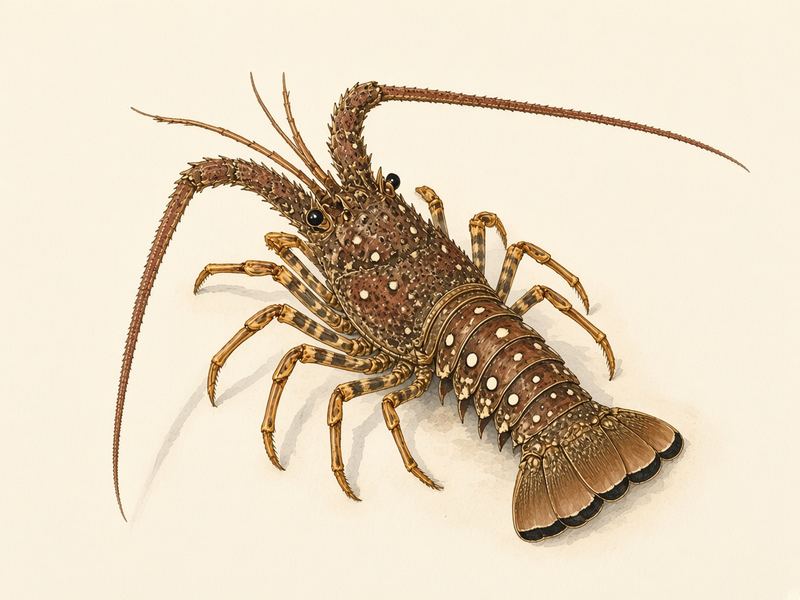
Caribbean spiny lobster
Langosta espinosa · Panulirus argus
It is fished around the island. Between 2007 and 2008, 1,373 lobsters were measured to study the population.
IUCN: Data Deficient (DD)
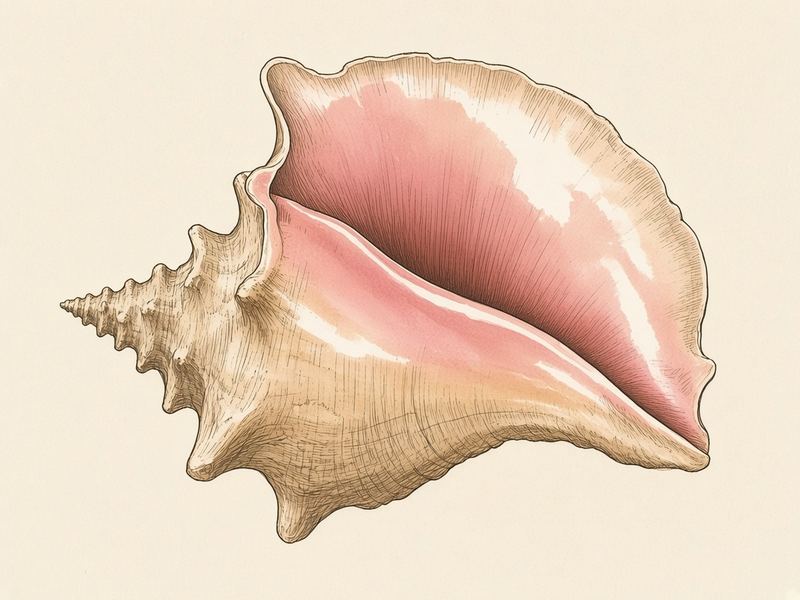
Queen conch
Botuto · Aliger gigas
The Caribbean’s great pink-lipped sea snail, recorded in the island’s waters.
IUCN: Near Threatened (NT)
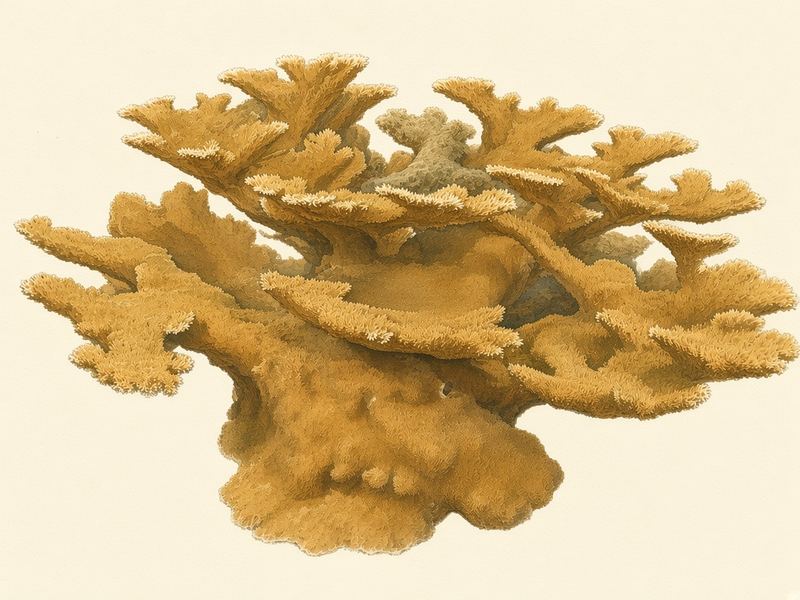
Elkhorn coral
Coral cuerno de alce · Acropora palmata
One of the Caribbean’s great reef-builders. A 2010 study found the island’s reefs badly degraded, with little live coral.
IUCN: Critically Endangered (CR)
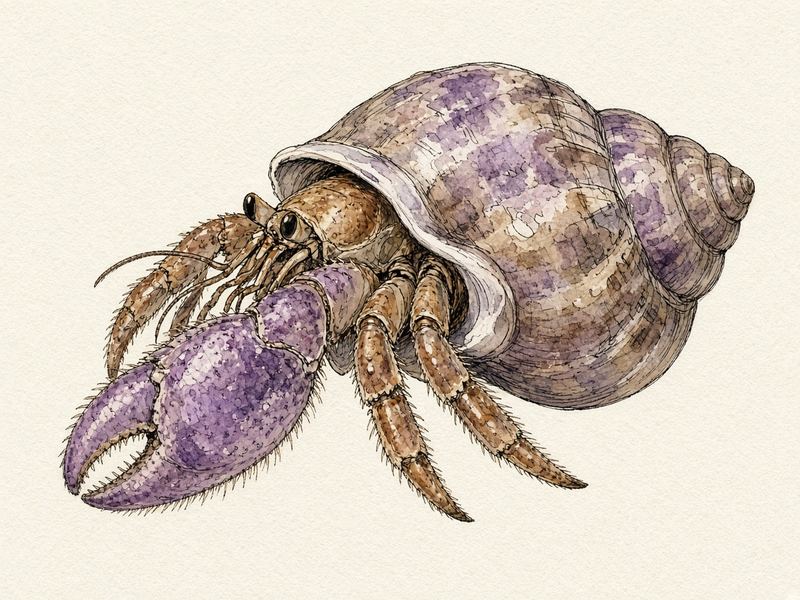
Caribbean land hermit crab
Cangrejo ermitaño terrestre · Coenobita clypeatus
Common on land, where it lives inside borrowed snail shells.
Reef fish
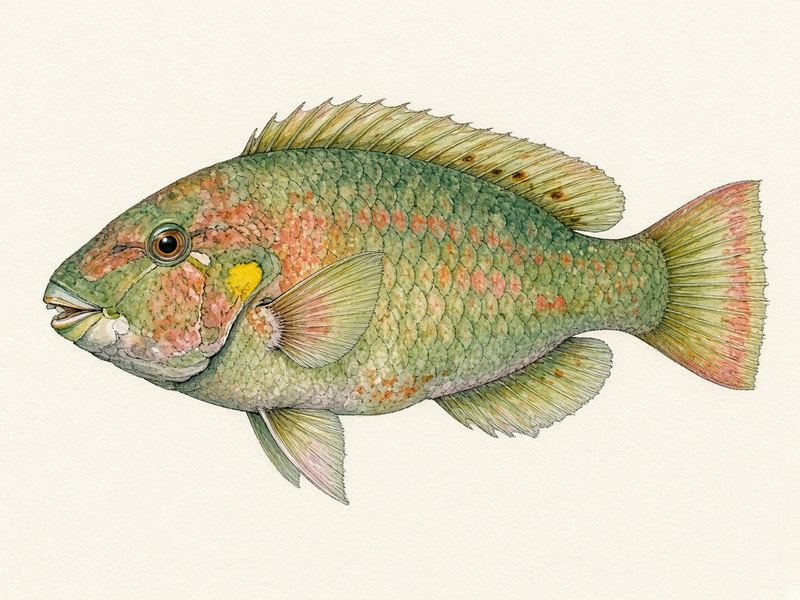
Stoplight parrotfish
Pez loro semáforo · Sparisoma viride
Recorded on the island’s reefs. Parrotfish (Scaridae) were the dominant family at Los Mogotes.
IUCN: Least Concern (LC)
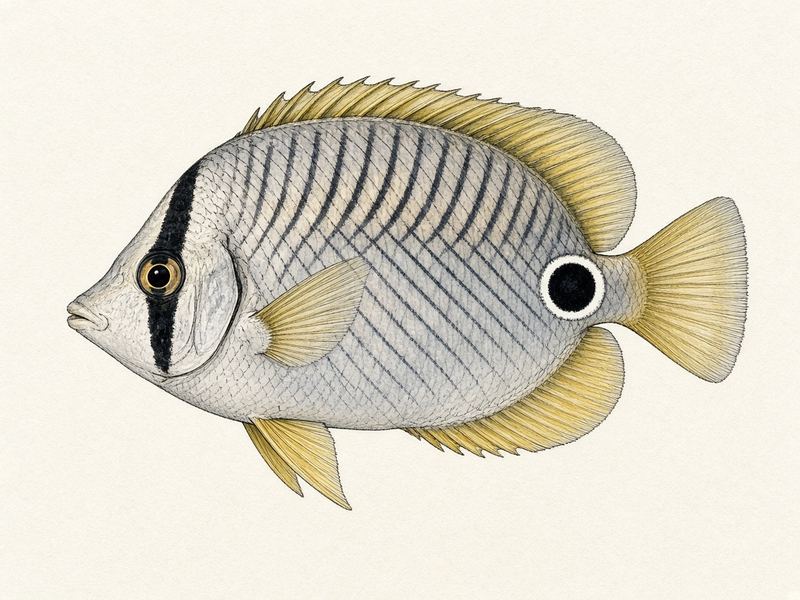
Foureye butterflyfish
Pez mariposa de cuatro ojos · Chaetodon capistratus
One of 77 fish species recorded on the reefs of the island and its cays. The false eye near its tail confuses predators.
IUCN: Least Concern (LC)
Plants
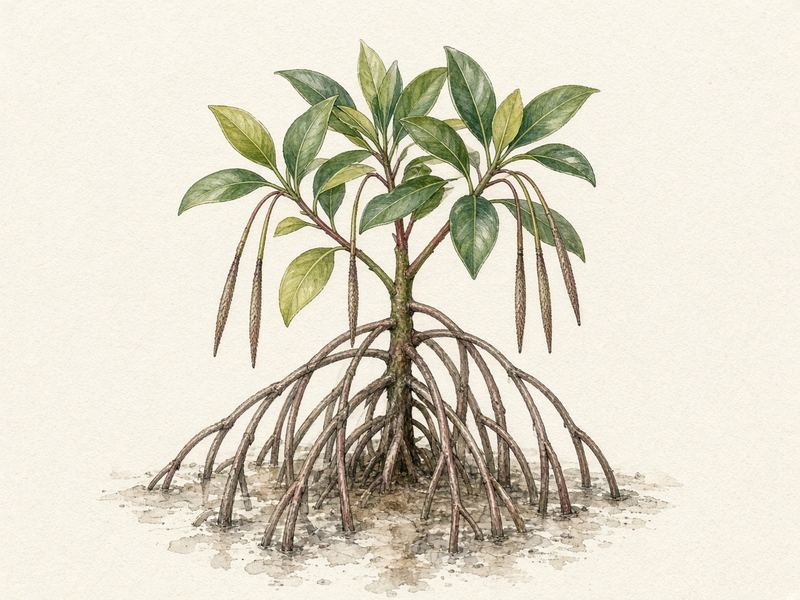
Red mangrove
Mangle rojo · Rhizophora mangle
One of the island’s three mangroves, with stilt roots, reaching 4–5 m tall. It is listed as Near Threatened in Venezuela.
IUCN: Least Concern (LC)
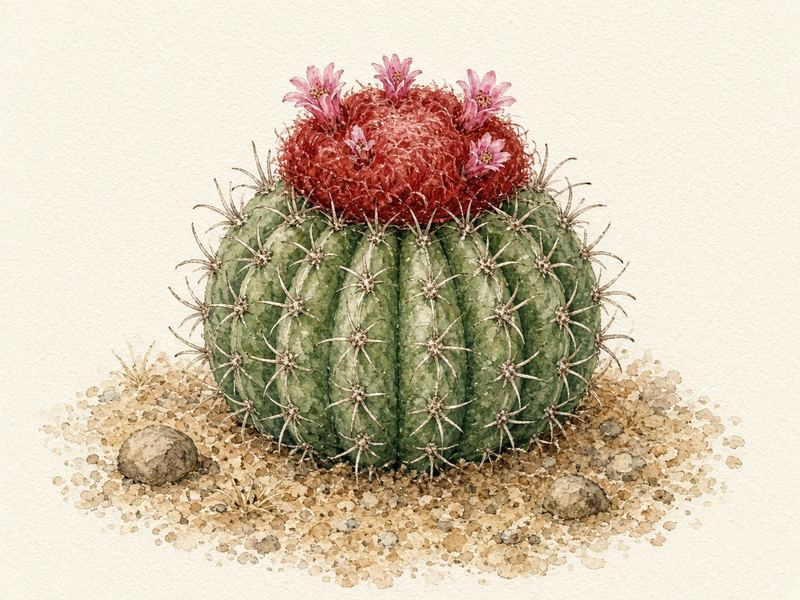
Turk’s-cap cactus
Buche de monje · Melocactus curvispinus
It grows in the dry scrub. Venezuela’s Red List of flora lists it as Vulnerable.
IUCN: Least Concern (LC)
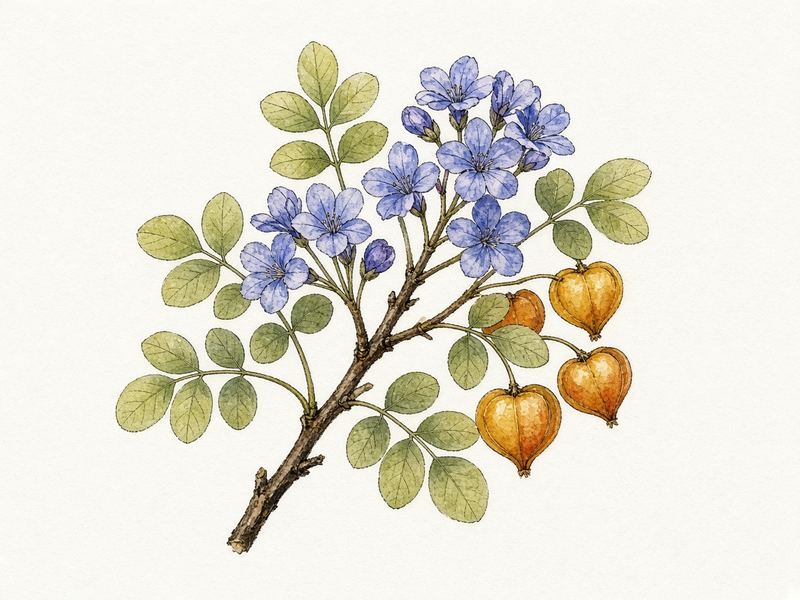
Lignum vitae
Guayacán · Guaiacum officinale
A tree with blue flowers and very hard wood. On the island, trees have been cut to repair boats.
IUCN: Endangered (EN)
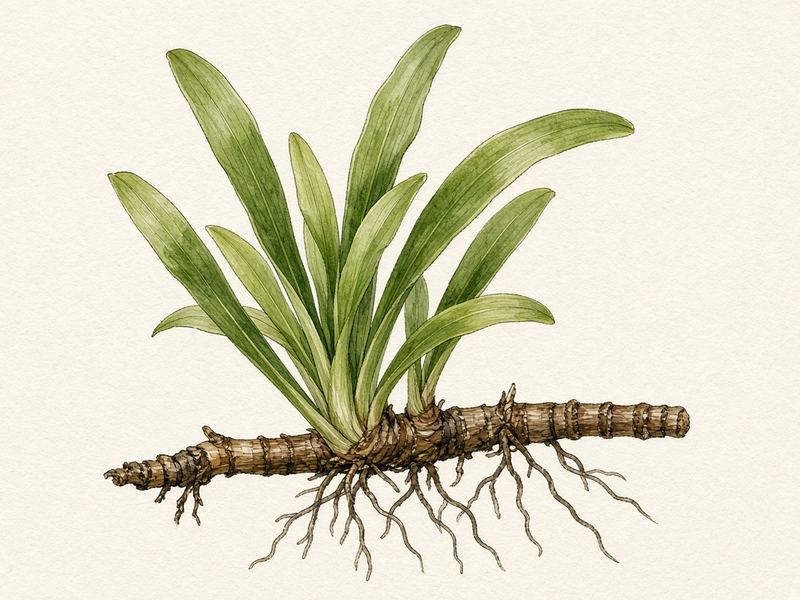
Turtle grass
Hierba de tortuga · Thalassia testudinum
It forms the seagrass meadows where green turtles graze. Cayo Herradura had the meadows in the best condition.
IUCN: Least Concern (LC)